Source CE Certified PU Spiral Tube for Industry, Agriculture, and Medicine
Compare 30 listings for CE certified PU spiral tube suitable for chemical, food, and medical applications. Buyers can evaluate specifications like working temperature, material types, and customization options from verified suppliers; compare the available evidence and request quotations based on your requirements.
Key considerations
Products List




Comprehensive Sourcing Guide
CE Certified PU Spiral Tube Sourcing Guide
Procuring CE certified polyurethane spiral tubes requires a disciplined approach to verifying material integrity and regulatory compliance. These flexible conduits are essential for protecting pneumatic lines, hydraulic hoses, and electrical cables in dynamic industrial environments. The spiral design provides superior flexibility and crush resistance, making them ideal for applications involving frequent movement or bending. Buyers must ensure that the supplier explicitly confirms CE marking, which indicates conformity with health, safety, and environmental protection standards for products sold within the European Economic Area.
The market offers various configurations, including natural rubber hoses for sand blasting and thermoplastic pipes for general fluid transfer. It is critical to distinguish between different material types such as PE, PU, and Nylon, as each offers distinct chemical and temperature resistances. Sourcing guides often highlight high-temperature capabilities and specific color coding for easy identification in complex machinery. Procurement teams should focus on suppliers who provide transparent documentation regarding the resin systems and manufacturing processes used to produce these durable, high-quality components.
Product Scope and Observed Listing Signals
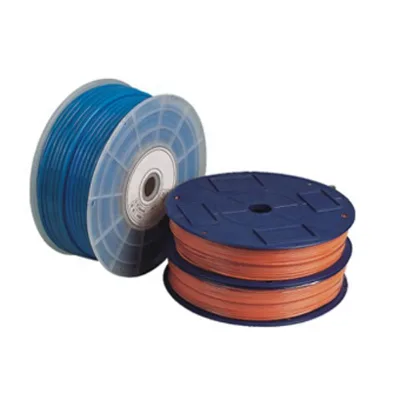
The observed product landscape includes a wide range of pneumatic PU tubes, nylon tubes, and PE tubes with sizes typically ranging from 4 to 20mm. Listings frequently mention customization options, allowing buyers to specify lengths, colors, and packaging requirements. Common packaging methods include PP bags, boxes, and cartons, with some suppliers offering palletized solutions for bulk orders. The presence of color variations such as black, blue, red, and yellow aids in system organization and maintenance, while the availability of 100 or 200m rolls supports large-scale industrial installations.
Buyers should note that some listings describe products as non-customized while others offer tailored solutions, indicating a flexible supply chain. The observed price range is broad, reflecting differences in material grade, wall thickness, and certification levels. Minimum order quantities vary significantly, starting from single rollers to thousands of units, which impacts inventory management strategies. Understanding these listing signals helps procurement teams align their purchasing volume with supplier capabilities, ensuring cost-effective logistics and timely delivery for ongoing production needs.
Technical Specifications to Verify
Verifying technical specifications is paramount to ensuring the spiral tube meets operational demands. Key parameters include the working temperature range, with some products rated for high-temperature environments while others are suitable for normal temperatures. The fluid temperature tolerance, often cited as -20 to 80°C for PU tubes, must align with the specific application conditions. Additionally, the working pressure rating, typically between 0.5 and 0.15 MPa, should be confirmed to prevent system failures under load. Buyers must also check the hardness, which can range from 95A to 98A, affecting the tube's flexibility and durability.
Other critical specifications include water absorption rates, which should be minimal to maintain performance in humid environments, and contraction percentages that impact fitment accuracy. The material composition, whether PE, PU, or Nylon, dictates chemical resistance and longevity. Suppliers may list specific models such as 18mm tubes or standard PU coils, but buyers should request detailed datasheets to verify these claims. Ensuring that the tube admits only the intended fluids, such as air, prevents contamination and extends the service life of the pneumatic system.
Compliance and Safety Documentation
Compliance with international standards is a non-negotiable aspect of sourcing CE certified products. Buyers must request valid CE certificates and ISO certifications, such as ISO 9001, to verify the supplier’s quality management systems. While some listings mention additional standards like ISO 13485 or ISO 14001, these should be confirmed through official documentation rather than assumed from product descriptions. The presence of RoHS certification is also valuable for ensuring the absence of hazardous substances, particularly in electronics and automotive applications.
Procurement teams should scrutinize the origin of the products, with many suppliers based in China, including specific regions like Fenghua. It is essential to verify that the CE marking is applied correctly and corresponds to the specific product batch. Buyers should also inquire about the testing procedures used to validate compliance, ensuring that the tubes meet all relevant European directives. Transparent documentation not only mitigates legal risks but also enhances the credibility of the supply chain, facilitating smoother customs clearance and market entry.
Cost Drivers and Commercial Terms
Several factors influence the final cost of CE certified PU spiral tubes, including material quality, certification status, and order volume. High-quality polyurethane and specialized manufacturing processes can increase production costs, which are reflected in the unit price. Buyers should consider the total cost of ownership, including shipping, handling, and potential tariffs, rather than focusing solely on the list price. The observed MOQ ranges from 1 to 3000 units, allowing for flexibility in initial trials and large-scale deployments.
Commercial terms such as delivery time and payment conditions also play a significant role in procurement decisions. Some suppliers offer rapid delivery within one week, which is crucial for just-in-time manufacturing environments. However, expedited shipping may incur additional costs. Buyers should negotiate clear terms regarding packaging, ensuring that products are protected during transit to prevent damage. Understanding these cost drivers helps in budgeting accurately and selecting suppliers who offer the best value proposition without compromising on quality or compliance.
Supplier Qualification and Quality Control
Qualifying suppliers requires a thorough assessment of their manufacturing capabilities and quality control processes. Buyers should verify the supplier’s experience in producing pneumatic tubes and their ability to meet specific technical requirements. Requesting samples for testing is a critical step to evaluate the tube’s flexibility, durability, and resistance to environmental factors. Suppliers with a proven track record in the metallurgy, chemical, agriculture, and medicine industries are often more reliable, as they have demonstrated versatility and adherence to diverse standards.
Quality control measures should include regular inspections of raw materials, production processes, and finished goods. Buyers should inquire about the supplier’s defect rate and their procedures for handling non-conforming products. Establishing a clear communication channel for addressing quality issues is essential for maintaining a robust supply chain. Additionally, verifying the supplier’s ability to provide customized solutions can enhance the suitability of the products for specific applications, ensuring long-term satisfaction and operational efficiency.
Long-Term Procurement Checks
Long-term procurement success depends on continuous monitoring of supplier performance and product reliability. Buyers should establish key performance indicators to track delivery times, product quality, and responsiveness to issues. Regular audits of the supplier’s facilities and quality management systems can help identify potential risks before they impact production. Maintaining a diverse supplier base reduces dependency on a single source and provides leverage in negotiations, ensuring competitive pricing and consistent supply.
It is also important to stay updated on changes in regulatory standards and market trends that may affect the availability or cost of CE certified PU spiral tubes. Engaging in regular reviews of the supply chain allows for proactive adjustments to sourcing strategies. By fostering strong relationships with qualified suppliers and implementing rigorous quality checks, buyers can ensure a stable and efficient procurement process, supporting the long-term success of their industrial operations.
FAQs
What certifications do the PU spiral tubes hold?
The products hold CE, API, and ISO certifications as documented in the specifications. These certifications ensure compliance with international safety and quality standards for industrial applications like metallurgy and chemical processing.
Which materials are used to manufacture these tubes?
Manufacturers use PE, PU, and Nylon materials to produce these tubes. The selection depends on specific application requirements such as fluid handling or abrasion resistance in industries like agriculture and medicine.
Can I order customized sizes for my project needs?
Customization is available for specific project requirements. Buyers can request tailored dimensions within the standard size range of 4 to 20mm to ensure a perfect fit for their industrial machinery or piping systems.
What is the typical lead time for delivery?
Delivery is typically completed within one week for standard orders. This fast turnaround supports urgent industrial needs while maintaining high quality standards for pneumatic and fluid transfer applications.
How are the tubes packaged for international shipping?
Tubes are packaged in PP bags, boxes, and cartons, often placed on pallets. This robust packing method ensures protection during transit and prevents damage to the spiral tubes before they reach the buyer.
What is the working temperature range for these tubes?
The tubes operate effectively in high temperature environments as well as normal temperature conditions. Specific models support fluid temperatures ranging from -20 to 80 degrees Celsius for versatile industrial use.
What is the minimum order quantity for these products?
The minimum order quantity starts at one roller for most suppliers. This low entry point allows small businesses to test the product quality before committing to larger bulk orders for their operations.